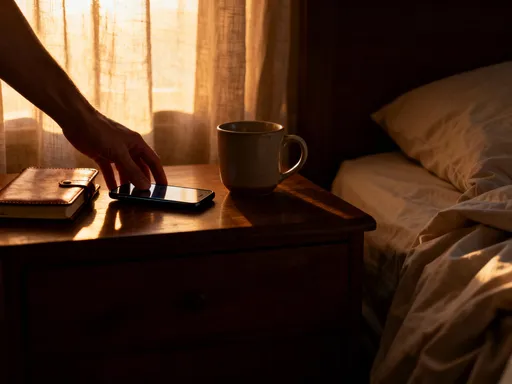
Beyond the weekend slump: How mood tracking quietly improved my self-care
Ever feel like weekends should be restful but somehow leave you more drained? I used to scroll mindlessly, oversleep, then panic about Monday. But last month, I started using a simple mood tracking app—not to fix everything, but to notice things. What I found wasn’t dramatic, but deeply grounding: patterns in my energy, small joys I’d overlooked, and moments when rest wasn’t just sleep, but real recharge. It didn’t turn my weekend into a productivity project. Instead, it helped me care for myself in a way that finally felt sustainable.
The Weekend Paradox: Why Rest Sometimes Feels So Unrestful
You finish the workweek exhausted, eyes on the clock Friday afternoon, dreaming of long mornings, cozy blankets, and slow coffee. You tell yourself, This weekend is for me. But by Sunday night, something feels off. You didn’t exactly do that much—maybe slept in, watched a few shows, ran some errands—but instead of feeling refreshed, you’re foggy, anxious, and oddly guilty. Sound familiar? I’ve been there more times than I can count. For years, I thought the problem was that I wasn’t resting enough or wasn’t doing it ‘right.’ Maybe I should have gone for a hike. Maybe I should’ve cleaned the kitchen. Maybe I just wasn’t trying hard enough.
But here’s what I’ve realized: the problem wasn’t that I wasn’t doing enough. It was that I wasn’t feeling enough. My weekends weren’t failures—they were emotional black holes. I’d drift from one activity to another without checking in with myself. I’d eat when I wasn’t hungry, scroll when I was bored, say yes when I needed to say no. The freedom of the weekend became a kind of emotional freefall. And Monday didn’t just bring work stress—it brought the weight of a weekend that didn’t actually restore me.
This isn’t laziness. It’s a lack of rhythm. During the week, our lives are structured—alarms, meetings, school drop-offs, dinner routines. That structure, as exhausting as it can be, gives us cues. It tells us when to wake, when to eat, when to wind down. But weekends often strip all of that away. Without those external rhythms, we’re left to navigate our energy and moods on instinct. And if we’re not in touch with those instincts, we end up overcompensating—oversleeping, overeating, overconsuming screens—trying to fill a quiet that we don’t know how to sit with. The result? Emotional fatigue dressed up as relaxation.
Meeting My Mood Tracker: A Low-Stakes Experiment
I didn’t start mood tracking because I thought it would change my life. I started because I was curious. And honestly, a little desperate. I’d read about people using apps to track their moods, but I always assumed it was for people with serious mental health challenges or, frankly, for those who loved data a little too much. I pictured spreadsheets, color-coded charts, daily journaling marathons. That wasn’t me. My idea of self-care was closing my eyes for ten minutes with a cup of tea and calling it a win.
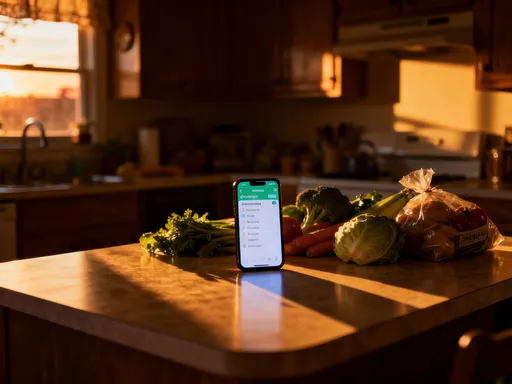
But then I came across a simple app—no graphs, no pressure, no complicated setup. Just two quick check-ins a day: one in the morning, one at night. Each time, it asked just two questions: How do you feel right now? and What’s influencing that feeling? That’s it. No right or wrong answers. No points to earn. No judgment. I thought, Okay, I can do that. What’s the worst that happens? I forget a day? Fine. So I downloaded it, set a gentle reminder, and began.
The first few entries were… underwhelming. I wrote things like “meh,” “tired but not sleepy,” “kinda heavy in my chest.” I wasn’t sure I was doing it right. Was “meh” even a mood? But something shifted when I typed it in. Naming it—just putting a word to how I felt—made it real. And oddly, that made it lighter. It was like whispering a secret to myself: Yeah, I’m not great today. And that’s okay. I wasn’t fixing anything. I wasn’t trying to. I was just noticing. And in that small act, I felt a flicker of kindness toward myself that I hadn’t felt in a long time.
Patterns in the Quiet: What My Data Began to Reveal
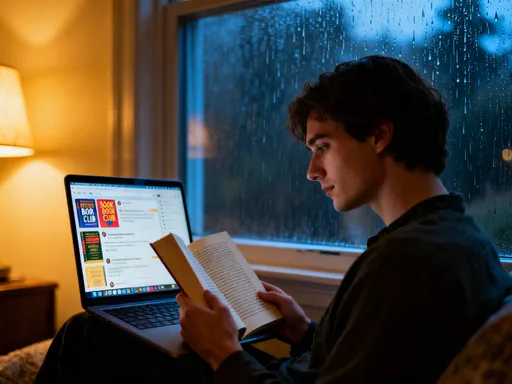
After about two weeks, something unexpected happened. I started to see patterns. Not in a dramatic, aha! moment kind of way—but quietly, like sunlight creeping across the floor. I noticed that rainy mornings didn’t make me gloomy, as I’d always assumed. In fact, I often felt calmer, more grounded. The sound of rain on the roof, the slower pace of the day—it matched my inner rhythm in a way sunny Saturdays never did.
I also saw that my Saturday social plans, the ones I said yes to because I thought I should, often left me drained. The data didn’t lie: after a busy brunch or a group outing, my evening mood rating dropped. Not because I didn’t enjoy seeing people—many times, I did. But the effort of being ‘on,’ of navigating conversations, of managing logistics, took more out of me than I realized. And the app didn’t judge. It just showed me: Here’s what happened. What do you make of it?
One of the biggest surprises was how much small, quiet moments lifted me. Sitting with a cup of tea, listening to a favorite playlist, doodling in a notebook—these weren’t grand self-care rituals. But in the app, they showed up as clear mood boosters. Meanwhile, those late-night movie binges I thought were relaxing? They often left me feeling restless or mentally foggy the next day. The data didn’t shame me. It simply illuminated what was already true: not all rest is created equal. Some activities recharge us. Others just distract us from being tired.
From Awareness to Action: Small Shifts That Stuck
Here’s what I love about mood tracking: it doesn’t tell you what to do. It just shows you what’s already happening. And from that awareness, real change can grow—not forced, not performative, but organic. Once I saw the pattern of afternoon energy crashes—especially after heavy lunches or too much screen time—I started making tiny adjustments. Instead of reaching for my phone when I felt sluggish, I’d step outside for five minutes. Or I’d pull out a sketchpad. I didn’t turn into a productivity machine. I just gave myself permission to respond to my energy, not fight it.
One weekend, I looked at my mood log and noticed three high-stress days in a row—work deadlines, family concerns, not enough sleep. And there I was, about to commit to a full-day outing with friends. In the past, I would’ve pushed through. I would’ve gone, smiled, chatted, and come home completely wiped. But this time, I paused. I saw the pattern. I felt the truth of it. So I did something radical: I said no. I told my friend, I’d love to see you, but I’m really running on empty. Can we plan something quieter next week? And you know what? She understood. She even said, I’ve been feeling that way too.
That moment wasn’t about self-care as a luxury. It was about self-care as clarity. The app didn’t make the decision for me. It just gave me the information I needed to make a kinder choice. And that choice didn’t just help me—it protected my ability to show up fully the next time I said yes. These shifts weren’t about doing more. They were about doing less, but with more intention. And over time, they added up to a weekend rhythm that actually felt restful.
Shared Calm: How Tracking Affected My Time with Loved Ones
One thing I didn’t expect was how mood tracking would affect my relationships. I assumed it was a personal tool, something just for me. But emotions don’t live in isolation. When I started feeling more grounded, it rippled out into my interactions. I was less reactive. I listened better. I had more patience with my kids, my partner, even the neighbor who always parks too close to my driveway.
I began sharing little insights with my partner. Not in a preachy way, but casually. You know, I noticed I get tense after watching too much news. Mind if we skip the Sunday recap and just take a walk instead? He didn’t roll his eyes. He said, Huh. I think I feel that too. We started paying attention together. He began noticing how late meals affected his sleep. I saw how our Sunday afternoons improved when we protected quiet time instead of filling every hour with plans.
It wasn’t about fixing each other. It was about understanding. And that understanding deepened our connection. We weren’t having grand conversations about mental health or emotional intelligence. We were just making small, honest adjustments—because we were more aware. The app didn’t create our intimacy. But it helped us show up for it. When you’re not running on emotional fumes, you have more to give. And that’s one of the quietest, most powerful gifts of self-awareness: it makes you more present for the people you love.
Beyond the App: Building a Habit Without the Hustle
After about six weeks, I missed a check-in. Then another. I thought I’d lose momentum. But instead of panicking, I realized something: I didn’t need the app to tell me how I felt anymore. I was already asking myself the questions. While washing dishes, I’d pause and think, How am I really doing right now? Before saying yes to a plan, I’d check in: Do I have the energy for this? Or am I just saying yes out of habit? The app had done its job. It had trained my inner radar.
That’s when I understood the real power of this kind of technology. It’s not about creating dependency. It’s about building awareness that eventually stands on its own. The app was a teacher, not a manager. It gave me structure until I could create my own. And now, even when I don’t open it for days, I carry the practice with me. I don’t need alerts or notifications. I’ve internalized the habit of pausing, noticing, and responding with kindness.
And that’s the dream, isn’t it? Not to be ruled by apps, but to use them as gentle guides toward a more intentional life. Tech that doesn’t add to the noise, but helps you hear yourself more clearly. That’s what this experience has given me—a quieter mind, a more attuned heart, and the confidence that I don’t need to hustle to care for myself. I just need to pay attention.
The Real Win: Peace That Doesn’t Depend on Perfection
I’ll be honest: my weekends still aren’t perfect. Sometimes I oversleep. Sometimes I say yes when I should say no. Sometimes I spend too long on my phone, chasing distraction instead of rest. But here’s what’s different now: I notice. And in that noticing, there’s no guilt, no shame—just a quiet knowing. I can say, Oh, that didn’t serve me. What might serve me better next time? That small shift—from self-criticism to self-curiosity—has changed everything.
Mood tracking didn’t fix my life. It helped me stop fighting it. It didn’t make me more productive. It made me more present. It didn’t give me more time. It helped me use the time I have with more care. And that’s the kind of self-care that lasts—not the kind that looks good on Instagram, but the kind that feels good in your bones.
The truth is, we don’t need dramatic overhauls to feel better. We need small moments of awareness. We need to remember that we’re allowed to rest in ways that actually restore us. We need tools that help us listen, not push. And sometimes, the quietest technology—a simple app, two questions a day—can help us hear the most important voice of all: our own.
So if you’re tired of weekends that don’t refresh you, if you’re tired of feeling guilty for not doing enough or not resting right, I’ll offer this: try noticing. Just for a week. Check in with yourself twice a day. Name how you feel. See what shapes it. You don’t need to change anything. You don’t need to be perfect. You just need to pay attention. Because sometimes, the most powerful act of self-care isn’t doing more. It’s seeing yourself—clearly, kindly, honestly—and saying, I’m here. I see you. And you’re enough.