Why Are You Still Struggling to Explain It When Your Screen Can Show It for You?
Have you ever tried explaining a tricky task to a coworker, only to end up frustrated with messy instructions? We’ve all been there. What if you could simply show them—exactly what you see, with every click and scroll? Screen recording tools are quietly transforming how we share knowledge, teach skills, and solve problems at work. They’re not just for tech experts—they’re becoming everyday helpers that make communication clearer, faster, and more personal. And the best part? You don’t need special training or expensive software. Just a few minutes, your screen, and the willingness to say, “Let me show you.”
The Moment It Clicked: A Frustrated Team Meeting That Changed Everything
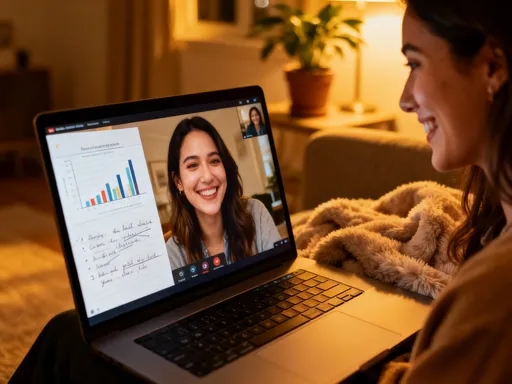
I remember sitting in a virtual team meeting last spring, watching as confusion slowly spread across the screen like fog. We were reviewing a new client onboarding process, and one of our newest team members—kind, eager, but clearly overwhelmed—kept asking the same question in different ways. “Wait, where do I add the contract number? Is it before or after the approval step?” Another colleague typed a long paragraph in the chat. Someone else shared a link to a document that no one had time to read. The meeting dragged on, energy dipped, and no one felt any closer to clarity.
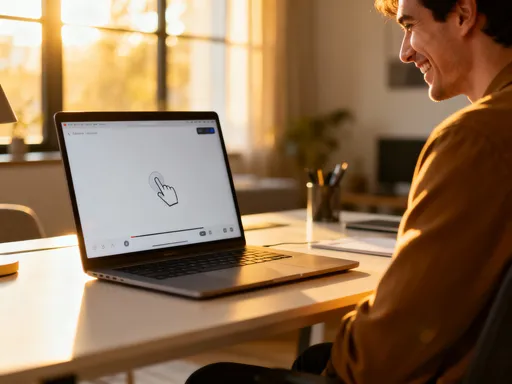
Then Sarah, our operations lead, did something simple. She said, “Hang on—I’ll show you.” She paused for just ten seconds, opened a screen recorder she already had on her laptop, clicked through the process while narrating in her calm voice, and dropped the 90-second video into the chat. “Here’s exactly where to go, and here’s what it looks like when it’s done.” Within seconds, the chat lit up: “Ohhh, got it!” “That makes so much sense.” “Thanks, Sarah!” The frustration melted. The meeting ended five minutes early. And something shifted—not just in that moment, but in how we all began to work.
That was the first time I realized screen recording wasn’t just a tech tool—it was a communication lifeline. We’ve relied for so long on written instructions, long emails, and bullet-point lists, assuming that if we just typed clearly enough, people would understand. But the truth is, many of us learn better by seeing. We process visuals faster than text. A single 60-second video can replace a three-page memo. And when someone shows you exactly what they mean, it builds trust. It says, “I see where you’re stuck. Let me walk you through it.” That moment with Sarah wasn’t just about efficiency—it was about empathy.
Beyond Meetings: How Screen Recording Fits Into Daily Work Life
Once you start using screen recordings, you’ll be surprised how many everyday situations they improve. Think about the last time you had to explain something over and over—maybe how to submit a time-off request, how to access the shared drive, or where to find the monthly report template. How many messages did you send? How many times did you repeat yourself? Now imagine answering all of it once, clearly, in a short video—and then reusing that same clip whenever someone asks again.
This isn’t just helpful for managers or trainers. It’s powerful for anyone who shares information regularly. A teacher showing parents how to navigate the school’s online portal. A small business owner walking a client through an invoice correction. A team member guiding a colleague through a software update. These are real, daily moments where words fall short, but a quick recording fills the gap perfectly. And the beauty is, it doesn’t take long. Most of the recordings I make are under two minutes. I don’t script them. I don’t rehearse. I just press record, talk through the steps like I’m sitting next to the person, and stop when I’m done.
One of my favorite examples is onboarding. When a new team member joins, there’s always a flood of information—logins, tools, workflows, expectations. Instead of overwhelming them with documents and links, I now send a short series of recordings: “Here’s how to log in,” “This is where we keep project files,” “Here’s how to update your task status.” Each one is casual, personal, and clear. The feedback has been amazing. New hires say they feel more confident, less anxious, and more connected. They can watch the videos at their own pace, pause, rewatch, and come to their first real conversation with fewer basic questions. That means more time for meaningful work—and less time spent repeating the same answers.
The Hidden Superpower: Teaching Without Teaching
Here’s something I’ve noticed: many of us hesitate to share our knowledge because we don’t think of ourselves as teachers. We worry about sounding unclear, making mistakes, or not being “official” enough. But screen recording changes that. It turns your natural way of working into a lesson—without you even trying. You’re not standing in front of a classroom. You’re not writing a formal guide. You’re just showing someone how you do something, the way you’d explain it over coffee.
That’s the hidden superpower of this tool: it makes teaching feel effortless. I remember helping my cousin set up her first online store. She kept getting stuck on how to upload product images. Instead of typing instructions, I recorded my screen while doing it myself. I said things like, “Okay, I’m clicking here… now I’m dragging the photo in… see how it says ‘uploading’? Just wait a second…” I wasn’t teaching—I was just thinking out loud. But to her, it was gold. She watched it three times, sent me a message saying, “I finally get it!” and had her store live by the end of the day.
This works because it’s authentic. People don’t need polished lectures. They need real, relatable guidance. And when you record yourself doing a task, you include all the little details that written instructions miss—the way you hover over a button before clicking, the quick shortcut you use without even thinking, the spot where you double-check your work. These micro-moments build confidence in the learner. They think, “If she can do it, so can I.” And that’s how knowledge spreads—not through perfect manuals, but through simple, human moments of showing.
Saving Time Is Just the Beginning: The Ripple Effect on Focus and Energy
Yes, screen recording saves time—that’s obvious. But what’s less obvious is how much mental energy it frees up. Think about the last time you had to explain the same thing multiple times. How did it make you feel? Annoyed? Drained? Like you were stuck in a loop? Repetition doesn’t just take time; it wears you down. It interrupts your flow, breaks your focus, and turns small tasks into emotional labor.
Now imagine a different version of your day. A colleague asks how to reset their password. Instead of typing out steps, you send a 45-second video you made last month. Another team member wants to know how to format the client report. You share the recording you created during the last training. No typing. No repeating. No frustration. And because these answers are consistent, you reduce errors and miscommunication too.
Over time, this small shift adds up. You start building a personal library of helpful clips. You answer fewer repetitive questions. You protect your focus for deeper work—planning, creating, solving real problems. And your team benefits too. They get faster answers. They feel supported. They learn at their own pace. It’s not just about efficiency—it’s about sustainability. In a world where burnout is real and attention is scarce, anything that helps us work smarter, not harder, is worth embracing.
Privacy and Simplicity: Why These Tools Feel Safe and Easy
I know what some of you might be thinking: “This sounds great, but isn’t it complicated? What if I record something private by accident? What if I sound awkward?” These are real concerns, and they’re completely valid. The good news? Most modern screen recording tools are designed with exactly these worries in mind.
First, simplicity. You don’t need to be a video editor. Most tools work with one click—record, stop, share. Some are built right into your laptop or browser. Others are free apps with clean, intuitive interfaces. You don’t need to trim audio, add subtitles, or worry about lighting. Just talk naturally, do the task, and send the link. Perfection isn’t the goal. Clarity is.
Second, privacy. Many tools let you record only a specific window or tab, so you’re not capturing your entire screen. Others have built-in blurring for sensitive info, or let you trim the beginning and end with a few clicks. You can choose to save recordings locally instead of uploading them. And if you’re sharing with a team, you can control who has access. The key is to start small—record something low-stakes first, like how to open a shared folder, and get comfortable with the process. Once you do, the fear fades, and the benefits become clear.
The Quiet Rise of Visual Collaboration in Modern Workplaces
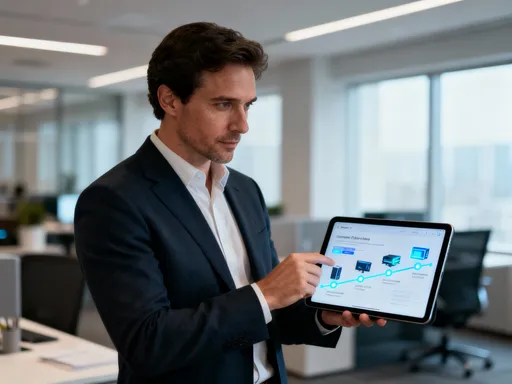
What’s really exciting is how screen recording is changing not just individual habits, but entire workplace cultures. More teams are moving away from dense, text-heavy documentation and toward dynamic, visual knowledge bases. Instead of searching through long manuals or outdated FAQs, employees can watch a two-minute video that shows exactly how to do something.
I’ve seen companies create internal “video wikis”—libraries of short clips covering everything from IT setup to client onboarding to holiday policies. New hires explore these at their own pace. Remote workers feel more included. And when someone leaves the company, their knowledge doesn’t disappear—it lives on in the videos they’ve made. This isn’t just about convenience; it’s about resilience. It reduces dependency on any one person and makes expertise more accessible across teams.
And let’s not overlook inclusivity. For non-native speakers, visual context can make a huge difference. For neurodiverse colleagues, the ability to pause, rewind, and learn at their own speed is empowering. For anyone who learns better by seeing, these videos are a game-changer. In a diverse, global workforce, screen recording becomes a tool for equity—helping everyone access the information they need, in the way that works best for them.
Start Small, Grow Confident: Building Your Own Recording Habit
If you’ve never made a screen recording, I get it—it can feel a little intimidating at first. You might worry about your voice, your pace, or whether you’ll “do it right.” But here’s the truth: no one expects perfection. They just want clarity. They want to understand. And you already have everything you need to give that to them.
So here’s my challenge: this week, make one 60-second recording. Pick something simple—how to find the team calendar, how to submit an expense, how to update your status in the project tool. Press record. Talk through it like you’re helping a friend. Stop. Share it with one person. That’s it. You don’t need fancy equipment. You don’t need to edit. Just show, don’t tell.
As you do this more, you’ll start to see patterns. You’ll notice which tasks you explain often. You’ll build a collection of reusable clips. You’ll get faster, more confident, and more intentional about how you share knowledge. And over time, these small videos become part of your professional signature—your way of making work easier, clearer, and more human.
When Showing Becomes Leading
In the end, screen recording isn’t really about technology. It’s about connection. It’s about saying, “I see you’re stuck. Let me help.” It’s about turning your everyday actions into lasting value. In a world flooded with emails, messages, and meetings, the ability to simply show someone how you do something becomes a quiet act of leadership.
These videos don’t just save time—they build trust. They show that you care enough to make things clear. They preserve knowledge. They empower others. And they turn routine tasks into moments of teaching, sharing, and growth. So the next time you’re about to type a long explanation, pause. Ask yourself: could I just show them instead? Because sometimes, the most powerful thing you can offer isn’t more words—it’s a clear, kind, human way of saying, “Here, let me show you.”