Tracked Every Watt for 90 Days: The App That Finally Made My Energy Bills Predictable
Living with unpredictable energy bills used to stress me out—especially when I couldn’t tell what was draining power. I’d turn off lights, unplug devices, and still wonder, Why is this month’s bill higher? Then I tried tracking my electricity like I track my steps: daily, visually, and with real feedback. What changed wasn’t just my habits—it was my whole sense of control. This is the story of how one simple app helped me see, understand, and finally manage my home’s energy use—one honest number at a time.
The Moment I Realized I Was Guessing (Not Saving)
I used to think I was doing a pretty good job managing our household energy. I turned off lights when leaving a room, reminded the kids to shut their bedroom doors to keep the heat in, and always unplugged the holiday decorations after January. But still, every few months, the electric bill would jump in a way that made no sense. One winter it spiked even though we’d barely used the heater. Another time, in spring, the number climbed when the weather was mild and the air conditioner wasn’t running. I felt helpless, like I was playing a guessing game with no rules.
Then a friend mentioned she’d started using a smart energy monitor. She showed me her phone—just a simple screen with a live number showing how many watts her home was using at that exact moment. I remember thinking, That’s oddly satisfying. She said it had changed how she saw her house—not just as a place to live, but as a system that uses energy in ways we rarely notice. That conversation stuck with me. A few days later, I ordered one for myself.
Setting it up was easier than I expected. The device clipped onto my home’s main electrical panel—no rewiring or electrician needed—and connected to my Wi-Fi. Within an hour, it was syncing with the companion app on my phone. That first night, I sat on the couch and opened the app. There it was: a real-time number ticking upward. 1,247 watts. I had no idea what that meant, but seeing it felt like peeking behind the curtain. I started walking through the house, turning things off one by one. When I unplugged the coffee maker, the number dipped slightly. When I shut down the desktop computer, it dropped more. I finally had feedback—something real to react to, not just assumptions.
Choosing the Right Tool: Simplicity Over Tech Hype
Let’s be honest—when I think of anything labeled “smart” or “connected,” I expect complexity. I didn’t want a dashboard full of confusing charts, flashing alerts, or technical jargon. I just wanted to know: What’s using power, and when? So I did a little research and tested two different systems before settling on one that felt intuitive and calm. The one I kept didn’t try to impress me with features. Instead, it gave me just enough information to make better choices—no more, no less.
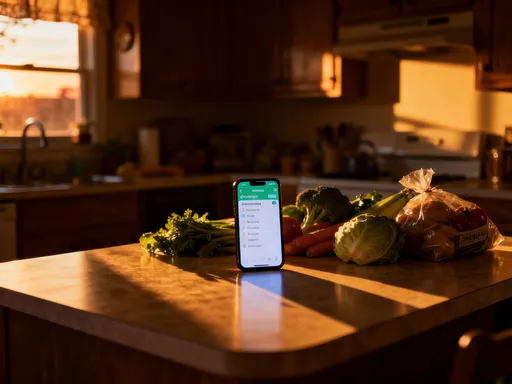
The app opens to a clean, color-coded graph that shows my energy use over the day. Green means low usage, yellow is moderate, and red appears when things spike. It also sends me a daily summary each morning—just a short message like, “Your home used 28 kWh yesterday, which is 12% below your weekly average.” No pressure, no guilt, just a gentle nudge. What I love most is that it doesn’t demand my attention. It’s there when I want it, but it doesn’t shout at me. It’s like having a quiet assistant who only speaks up when something matters.
Another thing that helped me stick with it? It works with the devices I already have. I didn’t need to replace my thermostat, lights, or appliances. The monitor reads the total energy flow into my home, and the app uses smart algorithms to estimate which devices are responsible for usage patterns. For example, when the refrigerator kicks on, it creates a small, repeating spike. The app learns these signatures over time and labels them. It’s not 100% perfect, but it’s close enough to be useful. And for things like my old space heater or gaming console, I can manually tag them so the app recognizes them faster.
Seeing the Invisible: What My Home Was Really Doing
The first week of tracking was nothing short of eye-opening. I had no idea how much energy was being used when everything seemed “off.” My TV, for example, was drawing power all night—even though it was turned off. The app showed a small but steady 45-watt draw, which added up to nearly 40 kWh per month. That’s like leaving a lightbulb on 24/7. Then there was the guest room printer, which I hadn’t used in months. It was still sipping energy, waiting for a signal that never came. These “phantom loads” were invisible to me before, but now they had names, numbers, and a cost.
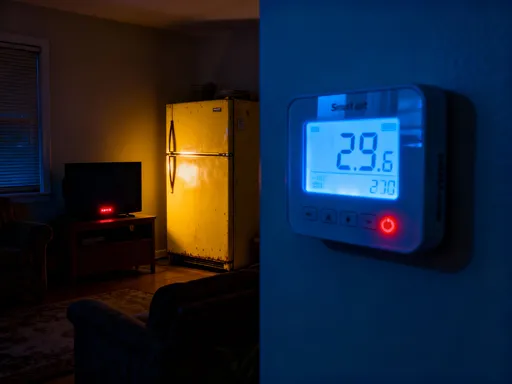
One of the biggest surprises was my refrigerator. It’s an older model, and I always assumed it ran efficiently. But the app showed it cycling on and off much more frequently than I expected—especially at night. I realized the seal wasn’t tight, so the compressor had to work harder to keep things cold. That little detail was costing me around $15 extra per month. It wasn’t a crisis, but it was a pattern I could fix. I cleaned the coils, adjusted the temperature, and monitored the change. Over the next two weeks, I saw the cycles become less frequent and shorter. That kind of feedback loop—see a problem, make a change, watch the result—is incredibly motivating.
What really shifted my mindset was starting to see my home as a living system. Each device wasn’t just a separate appliance; it was part of a daily rhythm. The washing machine had a predictable spike every Tuesday and Friday. The coffee maker fired up around 6:45 a.m. The Wi-Fi router never slept. Once I could see these patterns, I stopped thinking in terms of individual actions and started thinking about flow. That’s when I realized energy isn’t just about turning things off—it’s about understanding how they fit into the bigger picture of our lives.
Building Daily Habits Around Real Feedback
Before the app, my energy-saving efforts were based on habit and memory. Now, they’re based on data. I don’t just think I turned everything off—I know. Every evening, I check the app before bed. If I see a spike after everything should be quiet, I go on a little detective mission. Last week, it was the slow cooker I’d forgotten to unplug. The week before, it was the laptop charger still in the wall. These aren’t huge energy drains on their own, but catching them regularly adds up.
I also started setting small, fun goals. For example, I challenged myself to keep one night’s usage under 10 kWh. That meant no oven, no dryer, and lights off by 9 p.m. I even got my family involved. I showed the kids the app and explained how lower numbers meant more money saved for things like weekend outings or new books. They started calling out, “Mom, did you unplug the tablet charger?” It became a game, and that made it stick. The app’s progress bar—like a battery filling up—made it visual and satisfying, kind of like hitting your step goal on a fitness tracker.
Another habit that developed naturally was timing. The app shows me when our household uses the most energy, and I noticed a pattern: evenings between 6 and 8 p.m. were always high. That’s when we cooked, did homework, watched TV, and ran the dishwasher. Once I saw that, I started shifting some tasks. Now, I run the dishwasher after 9 p.m., when rates are lower in our area. I schedule the laundry for midday on weekends. These small adjustments didn’t change our routines much, but they made a noticeable difference in the numbers. It felt like working with our lives instead of against them.
The 90-Day Shift: From Tracking to Transformation
By day 30, I noticed a small but steady drop in my energy use. My average daily consumption had gone from 32 kWh to 28 kWh. The bill wasn’t dramatically lower yet, but I could see the trend. That gave me confidence to keep going. I started making small upgrades—replacing old incandescent bulbs with LEDs, which the app confirmed reduced lighting load by nearly 70%. I also unplugged a second freezer in the garage that we rarely used. It was only drawing 80 watts, but that added up to 60 kWh per month—about $8 on the bill.
At day 60, I decided to take a closer look at our HVAC system. The app showed that the heater was running more than I thought, especially in the early mornings. I realized the thermostat was set too high, and some rooms were overheating. I adjusted the schedule, added extra blankets in the kids’ rooms, and used draft stoppers under the doors. Within a week, the morning spikes softened. The app confirmed a 15% drop in heating-related usage. That was probably the single biggest win so far.
By day 90, my average daily usage had dropped to 24.6 kWh. That’s a 23% reduction overall. The electric bill reflected it—down nearly $30 per month. But the real win wasn’t just the savings. It was the shift in how I felt. I no longer dreaded opening the bill. I already knew what it would say because I’d lived it. I’d seen the patterns, made the changes, and watched the results. The number on the bill wasn’t a surprise—it was a confirmation. That sense of control was more valuable than the money saved.
Beyond Savings: Feeling Calmer, More in Control
The financial savings were welcome, of course. Thirty dollars a month adds up—over $350 a year. I put that toward a home security camera system and a new set of kitchen knives I’d been eyeing for months. But what surprised me more was the emotional impact. I felt calmer, less anxious about the unknown. Before, I’d see the bill and immediately go into problem-solving mode: What did we do wrong? Who left the light on? Did the heater run all night? Now, I open the bill with curiosity, not fear. I compare it to the app’s monthly report and smile when they align.
That peace of mind spilled over into other parts of my life. I started applying the same mindset to grocery shopping—tracking what we use, reducing waste, planning meals. I even began monitoring water usage with a simple shower timer. The principle was the same: see it, understand it, improve it. The app didn’t just change how I used energy—it changed how I approached daily decisions. I became more intentional, less reactive.
And honestly, it made me feel smarter. Not because I suddenly understood kilowatts and voltage, but because I was making choices based on real information, not guesswork. I could explain to my sister why her bill might be high—maybe her water heater is set too high, or her windows are drafty. I could help my mom figure out which appliances to unplug when she travels. I wasn’t just saving energy—I was sharing confidence.
Why This Works for Anyone (Even If You’re Not Techy)
If you’re thinking, This sounds great, but I’m not good with tech, I get it. I wasn’t either. I still don’t know how to code or set up a router from scratch. But this system? It was designed for people like us. The monitor installs in under an hour, often with just a screwdriver and the instructions in the box. The app walks you through setup with clear, step-by-step guidance. No technical degree required. I even set it up while my youngest was napping—no stress, no confusion.
You don’t have to go all in, either. Start small. Try tracking just one room for a week. Focus on one device—your coffee maker, your TV, your bedroom lamp. See what it uses. Then decide if you want to change anything. Maybe you’ll unplug it, switch to a timer, or upgrade to something more efficient. The point isn’t perfection—it’s awareness. Because once you see what’s happening, you have power. Not just the kind that runs your home, but the kind that lets you make better choices.
And here’s the truth: we don’t need to be perfect to make a difference. We just need to be informed. You don’t have to live off the grid or replace every appliance. You just need one honest number to start the conversation with your home. That number tells you where you are, what’s working, and what’s not. It’s not about blame or guilt—it’s about progress.
So if you’re tired of guessing, if you want to feel more in control, if you’d like to save a little money and a lot of stress—try it. Let the app show you what’s hidden. Because once you see it, you can change it. And that’s where real power begins—not in the wires, but in your hands.