More Than Just Reading: How Online Book Clubs Made Learning Feel Effortless
Have you ever started a book with excitement, only to lose momentum days later? You’re not alone. Many of us struggle with focus, consistency, and staying inspired. But what if reading could feel less like a chore and more like a comforting daily ritual? I discovered that online book clubs didn’t just get me reading again—they reshaped how I learn, think, and grow. This is the quiet transformation no one talks about.
The Overwhelm of Going Solo: Why Self-Directed Learning Often Fails
Remember that stack of books on your nightstand? The ones you bought with such hope—self-help guides promising calm, memoirs that would inspire, novels that would transport you? I see them too. Mine gather dust beside half-charged tablets and sticky coffee mugs. We begin with intention: this week, I’ll read 20 pages every night. But then life happens. The kids need help with homework. The dog needs a walk. Your partner wants to talk. Or worse—silence falls, and instead of opening your book, you reach for your phone.
It’s not that we don’t care. It’s that learning on our own carries an invisible weight. There’s no one watching, no one asking, “Did you finish that chapter?” And without that gentle nudge, motivation fades. I used to tell myself I just needed more discipline. But the truth is, discipline isn’t built in isolation. It’s nurtured through connection. When we try to grow alone, we’re not just fighting distractions—we’re fighting loneliness. And that’s a much harder battle.
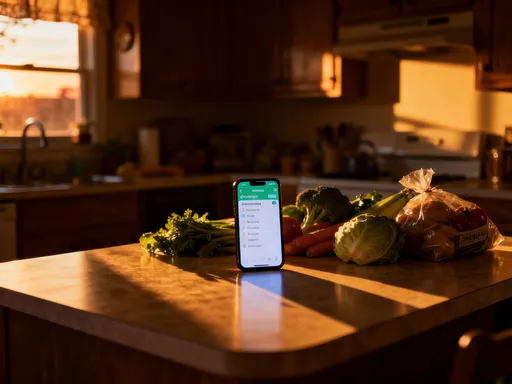
I once downloaded a reading tracker app, hoping numbers would motivate me. I loved seeing the streak—3 days, 7 days, 10! But by day 14, I skipped. Then day 15. The guilt built fast. I stopped opening the app altogether. It wasn’t the tool that failed me. It was the lack of human warmth behind it. Numbers don’t cheer you on. They don’t say, “I loved that part too.” They don’t ask, “What did you think when she said that?” And that’s what I was really missing—not just progress, but shared meaning.
We’ve been sold the idea that growth is a solo journey. Wake up early. Meditate. Read. Journal. All noble habits, yes. But when they happen in silence, they can feel like chores. I realized I wasn’t failing because I lacked willpower. I was failing because I lacked community. And that’s where everything changed.
Finding Connection in Shared Pages: How Online Book Clubs Create Accountability
It started with a simple invitation—from a friend who knew I’d been wanting to read more. “There’s this little group on a messaging app,” she said. “We read one chapter a week and share thoughts. No pressure. Just vibes.” I almost said no. I pictured judgmental readers quoting passages I hadn’t read. But her tone was warm, not pushy. “You can just listen at first,” she added. That tiny permission made all the difference.
I joined. The first week, I didn’t post. I just read the chapter and scrolled through others’ messages. One woman wrote, “I almost didn’t finish this tonight—my son was sick—but reading this part calmed me down.” Another said, “This character reminds me of my mom. It’s hitting hard.” I wasn’t just reading a book anymore. I was part of a quiet circle of real people, each carrying their own lives, choosing to show up anyway.
By week three, I posted my first message. Just two sentences: “This section made me cry. I didn’t expect that.” Someone replied instantly: “Me too. The line about forgiveness—wow.” That small exchange did something unexpected. It made me want to keep going. Not because I had to, but because I felt seen. And that’s how online book clubs work their magic—they create soft accountability. No one is grading you. No one is tracking your speed. But knowing others are reading the same words? That’s powerful.
It’s not about pressure. It’s about presence. When you know someone else is turning the same page, you’re more likely to do it too. I found myself thinking, “I can’t miss this—Sarah said she had a big insight last time.” Or, “Jamal asked a question I want to respond to.” These aren’t demands. They’re quiet invitations to stay engaged. And over time, that gentle pull becomes a rhythm. You read not just for yourself, but for the group. And in doing so, you end up caring more—for the book, for the ideas, and for your own growth.
From Passive to Active: How Group Reflection Deepens Understanding
Here’s something I didn’t expect: I used to think reading was about absorbing information. Finish the book, get the lesson, move on. But in the book club, I realized I wasn’t really absorbing much at all. I’d read, sure—but how much stayed? A few quotes. A general feeling. But when I started sharing my thoughts, everything changed.
One week, we read a passage about a woman learning to set boundaries with her family. I thought, “Yeah, that’s important.” But when I wrote a message saying, “I struggle with this too—especially with my sister,” something clicked. Another member replied, “What’s the hardest part for you?” I hadn’t even asked myself that. So I wrote back: “I guess I’m afraid she’ll think I don’t love her.” Just typing that made me pause. I’d never said it out loud before.
That’s when I realized: putting thoughts into words—especially to someone else—forces clarity. It’s one thing to think, “I relate to this.” It’s another to explain why. And in that explanation, you learn. You uncover layers you didn’t know were there. The book didn’t change. But my understanding did.
And then there are the perspectives. One member, a retired teacher, pointed out a metaphor I’d completely missed. Another, a young mom, shared how the story reminded her of postpartum anxiety. Their insights didn’t replace mine—they expanded them. I began to see the same text through different eyes. And that’s where real learning happens: not in passive consumption, but in dialogue.
Our brains remember stories better when we’re emotionally involved. And nothing pulls us in like conversation. When someone says, “Wait, did you notice how the author repeated that phrase?” or “What would you have done in that situation?”—you’re no longer a spectator. You’re a participant. And that shift—from passive to active—is what makes knowledge stick.
Learning at Your Own Pace, Together: Balancing Flexibility and Structure
One of the biggest myths about personal growth is that it requires rigid schedules. Wake up at 5 a.m. Meditate for 20 minutes. Read 30 pages. Journal for 10. It sounds great—on paper. But real life doesn’t follow a perfect timeline. Kids get sick. Work overflows. Energy crashes. And when we miss one step, the whole routine collapses.
What I love about online book clubs is that they offer something rare: structure without rigidity. We agree to read one chapter a week. That’s the anchor. But how and when you read? That’s up to you. I’ve read on my phone during lunch breaks. I’ve listened to audiobooks while folding laundry. I’ve scribbled notes on napkins when inspiration struck late at night.
The club uses a message board, so I don’t have to be online at a certain time. I can read others’ posts when I have five quiet minutes. I can respond when I’m ready. Some weeks, I write long reflections. Others, just a quick “This hit home.” And that’s enough. No one expects perfection. No one demands daily check-ins.
But here’s the quiet genius: the weekly rhythm keeps us moving. Without it, I’d drift. With it, I stay on track—but on my terms. It’s like having a gentle guide, not a strict boss. And because the format is asynchronous, it fits into real life. I don’t have to choose between being a good mom and growing myself. I can do both.
I’ve tried live video book clubs before. They felt stressful—what if I hadn’t finished? What if I had nothing smart to say? The text-based format removes that pressure. I can think before I speak, literally. I can edit my words. I can take my time. And that makes participation feel safe, not scary.
The Ripple Effect: How Reading Together Strengthens Personal Growth
At first, I thought the goal was to finish books. But over time, I noticed something deeper happening. I was thinking more clearly. Making decisions with more confidence. Even speaking up in family conversations felt easier. I wasn’t just learning from the books—I was growing through the process of sharing and listening.
One night, my daughter asked me to help with a school essay. She was stuck on how to organize her ideas. Without thinking, I said, “Let’s try what we do in my book club: write down your first thought, then ask yourself, ‘Why does that matter?’” She did. And it worked. Later, she said, “You’re really good at this.” I smiled. I wasn’t born good at it. I’d learned it—one message, one reflection, one conversation at a time.
That’s the ripple effect. Small, consistent engagement builds real skills. Asking questions. Listening with curiosity. Expressing ideas with clarity. These aren’t just book club habits—they’re life skills. And the more I practiced them in our group, the more they showed up elsewhere.
I started noticing patterns in my own behavior. When a friend canceled plans, I used to take it personally. But after reading a chapter about emotional resilience, I wrote in the group, “I felt rejected, but maybe it wasn’t about me.” Another member replied, “That’s growth right there.” And it was. I wasn’t just learning about resilience—I was practicing it.
Over months, these moments added up. I became more patient. More reflective. More willing to sit with discomfort instead of rushing to fix it. And I credit the book club not just for the content, but for the container—the safe, supportive space where I could try on new ways of thinking without fear.
Making It Work for You: Simple Ways to Join and Stay Engaged
If you’re thinking, “This sounds nice, but I don’t know where to start,” I get it. The internet can feel overwhelming. So many groups. So many platforms. Where do you even begin?
Here’s what worked for me: I started small. I asked a friend if she knew of any low-pressure groups. She introduced me to one on a simple messaging app—no fancy features, just a chat thread. That simplicity helped. I wasn’t distracted by bells and whistles. Just people, sharing thoughts.
If you don’t have a personal invite, try searching for terms like “slow reading group” or “gentle book club” on platforms like Facebook or Reddit. Look for groups that emphasize kindness, respect, and no judgment. Skim a few posts. Do the tone and topics feel welcoming? Trust your gut.
When you join, give yourself permission to observe first. You don’t have to post right away. Just read the book and the messages. See how people engage. Notice what feels authentic to you.
And remember: there’s no “right” way to participate. A simple “I relate” counts. So does a voice note if typing feels hard. Even just reading with intention—knowing others are doing the same—creates connection. The goal isn’t performance. It’s presence.
Set a realistic pace. If a chapter a week feels like too much, talk to the group. Many are happy to adjust. Or find a club that reads shorter books. The point is to create a habit that fits your life—not one that adds stress.
And if a group doesn’t feel like a fit? That’s okay. Try another. This isn’t about forcing yourself into a mold. It’s about finding a space where you feel safe to grow.
A New Kind of Support System: Why These Communities Matter Beyond Books
Last winter, during a snowstorm, our power went out for two days. I lit candles, wrapped myself in blankets, and finished the week’s chapter by flashlight. The next morning, I typed a message into the group: “Did it by candlelight. Felt like magic.” Within minutes, replies poured in. “So cozy!” “You’re a reading warrior!” “I’d have just watched TV!”
It wasn’t just about the book. It was about being seen. In that moment, I didn’t feel isolated by the storm. I felt connected. And that’s the quiet gift of these communities—they become emotional anchors.
Life is full of moments when we feel unseen. The small stresses. The quiet doubts. The joys no one notices. Online book clubs don’t solve big problems. But they offer something precious: regular reminders that you’re not alone. That your thoughts matter. That growth is possible, even in small steps.
These groups aren’t just about learning. They’re about belonging. And in a world that often feels fast and fragmented, that sense of belonging is revolutionary. We’re not just reading books together. We’re growing together. We’re showing up for each other, week after week, in the quietest, most powerful way.
So if you’ve been waiting for permission to start—here it is. You don’t need to be the fastest reader. You don’t need to have all the answers. You just need to be willing to turn the page—and to share what you find there. Because the truth is, we grow not in isolation, but in connection. And sometimes, the most transformative journeys begin not with a bold leap, but with a single sentence, shared with someone who’s reading the same story.